During a conversation about this project, a respected advisor once asked me, "So, this whole project that you have here, what is it about in one word?" I had thought about this before, and in a fraction of a second, I replied, "Belonging." We continued the discussion by looking at some pictures, and he frequently mentioned "longing." By the third picture, I was certain that "belonging" had been misheard as "longing." In fact, "longing" had lived below the surface until it asked to be spoken.
By definition, anemoia refers to a feeling of nostalgia for a time or place you have never actually experienced—a wistful longing for a past that is not your own (Koenig). Over the past year, I went on defining my project as an illustration of "belonging." I talked about how I was exploring the relationship between people, their work, and their family-owned businesses by looking into everyday scenes and overlooked details. It had never appeared so clear to me: my project was, in fact, about "longing." It was about a life I left behind, a place unattainable and distant.
No matter how I managed to find an artistic way of articulating it, through these images I was deeply searching for a place that remains present only through absence. I was documenting New York, fascinated by its diversity and complexity, while looking for my place to belong. It was all my way of turning my longing for Tehran into pictures.
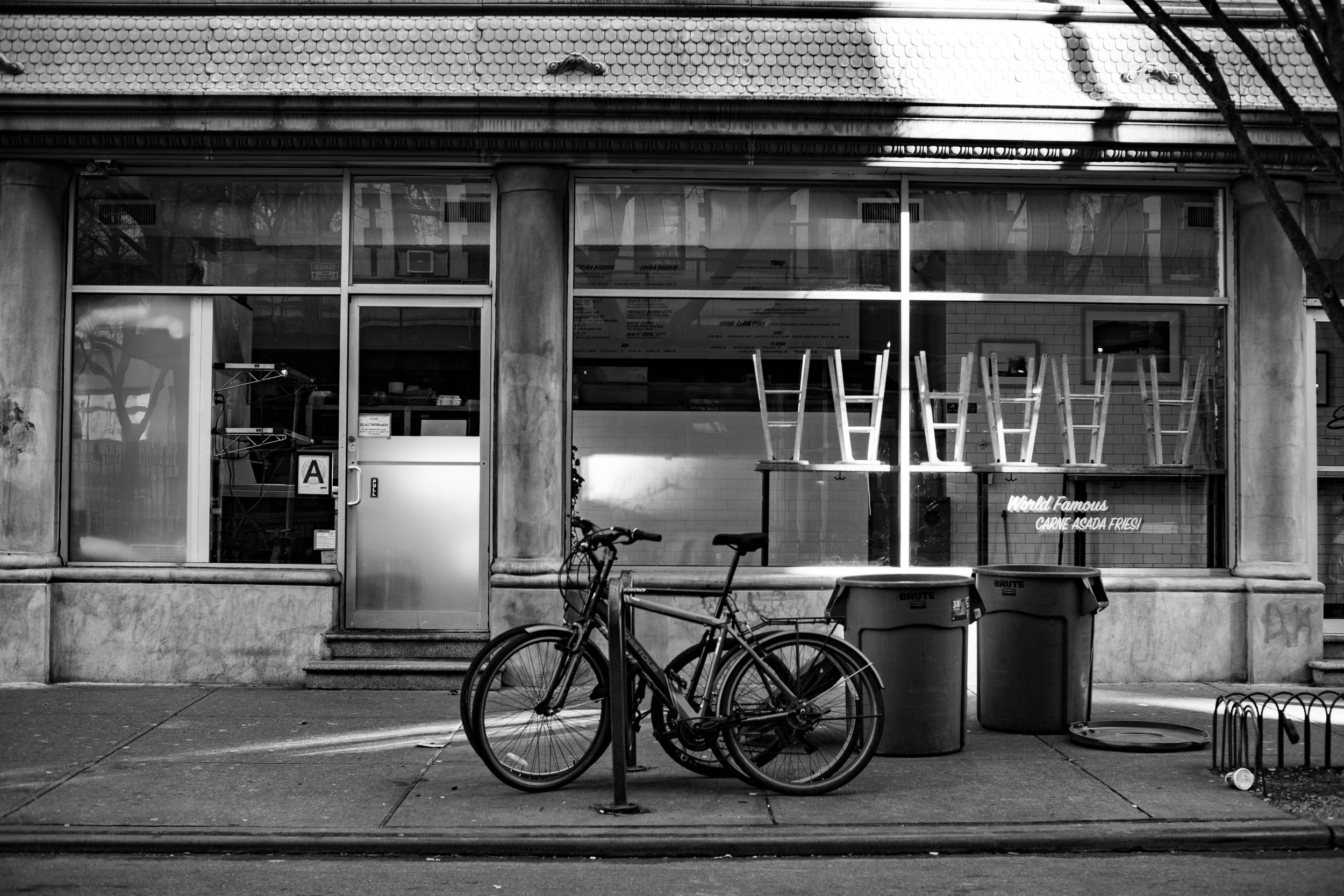
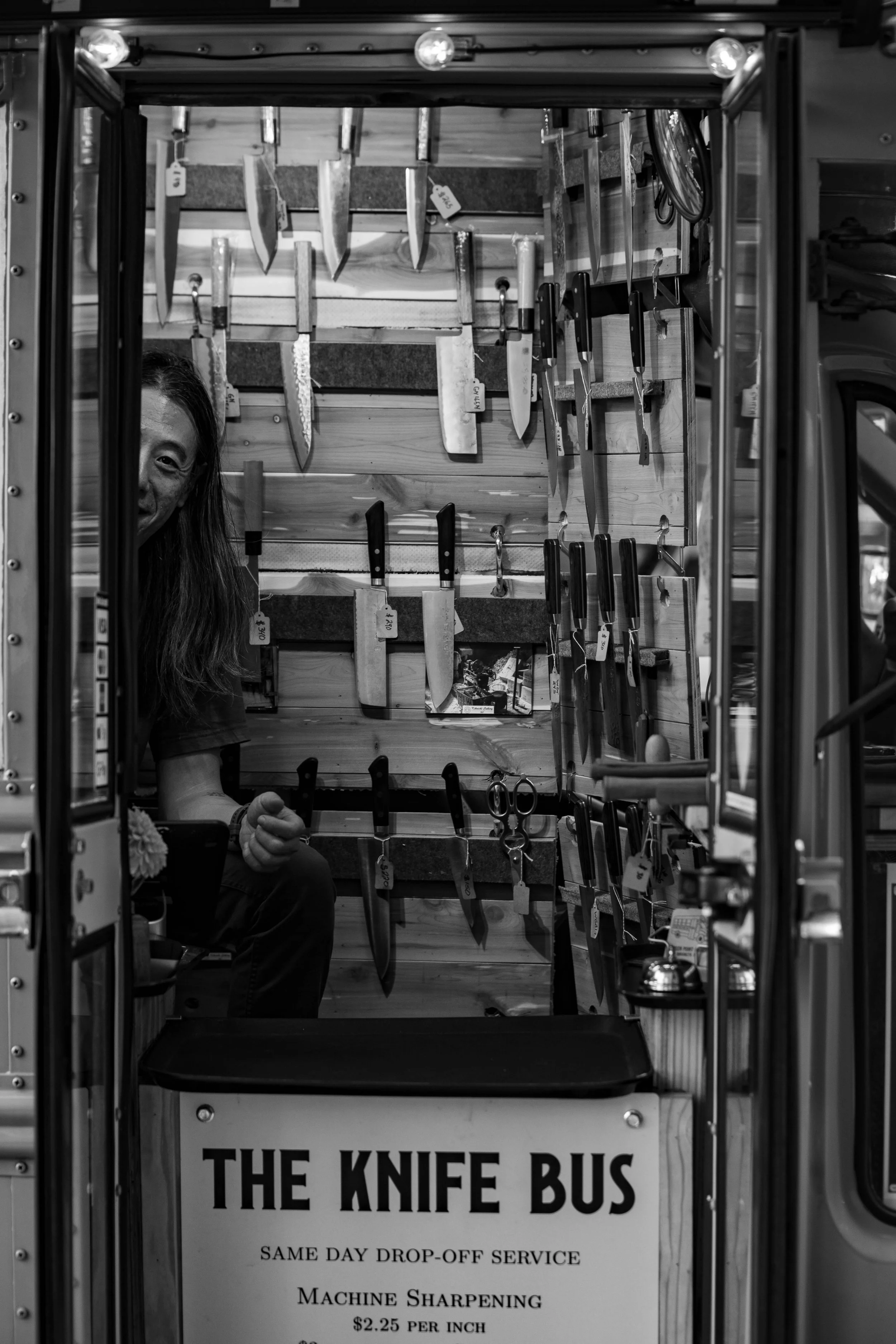
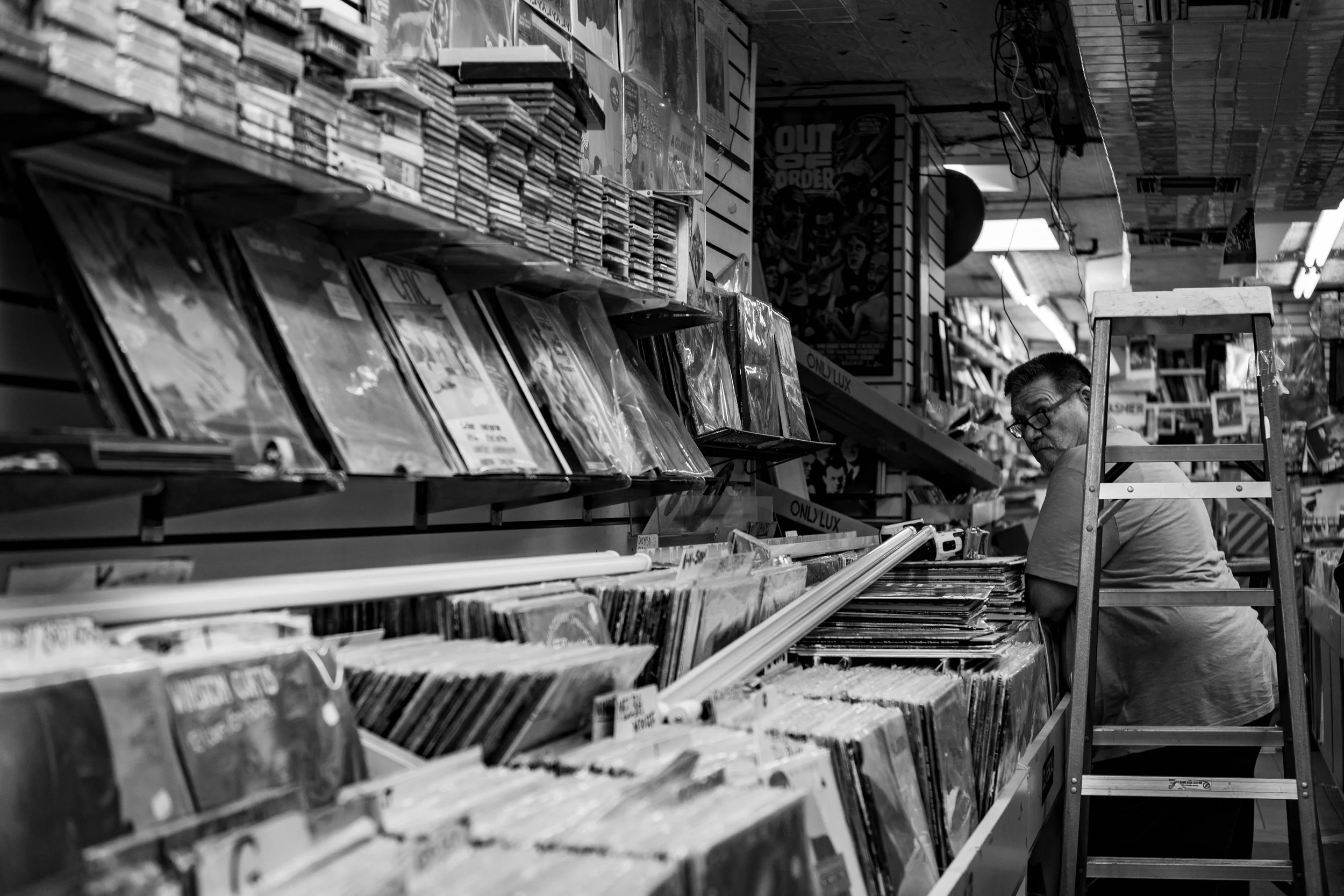
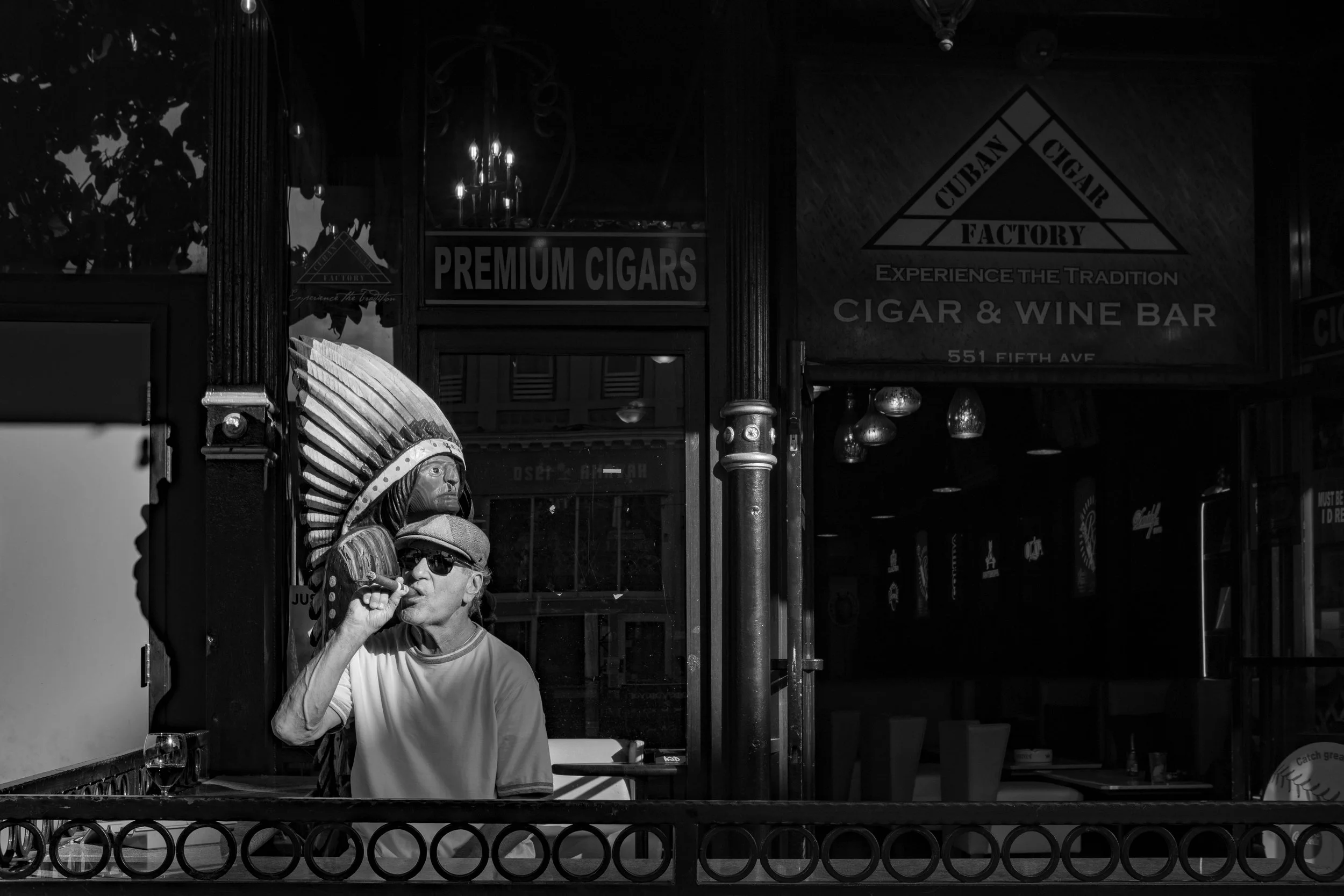
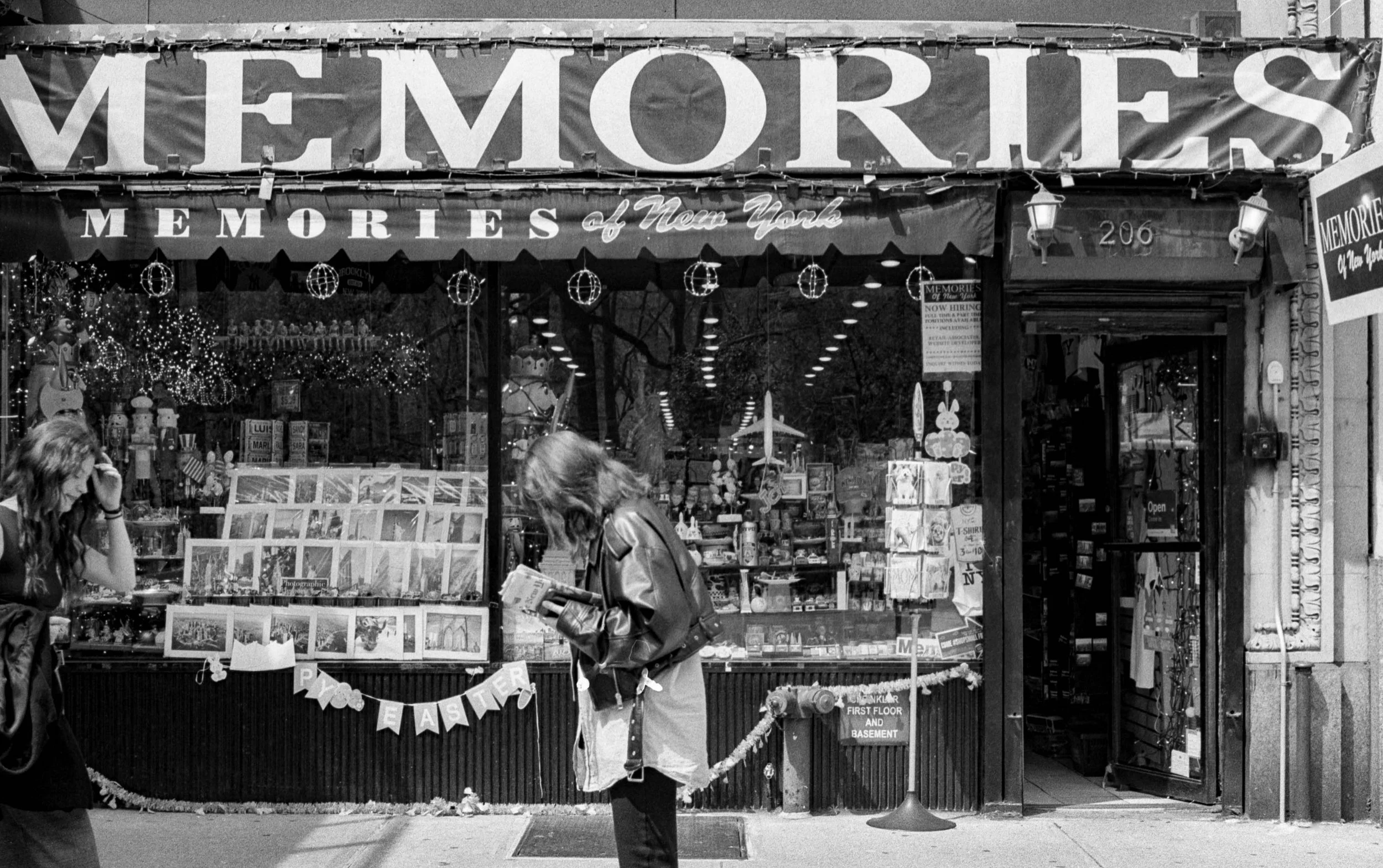
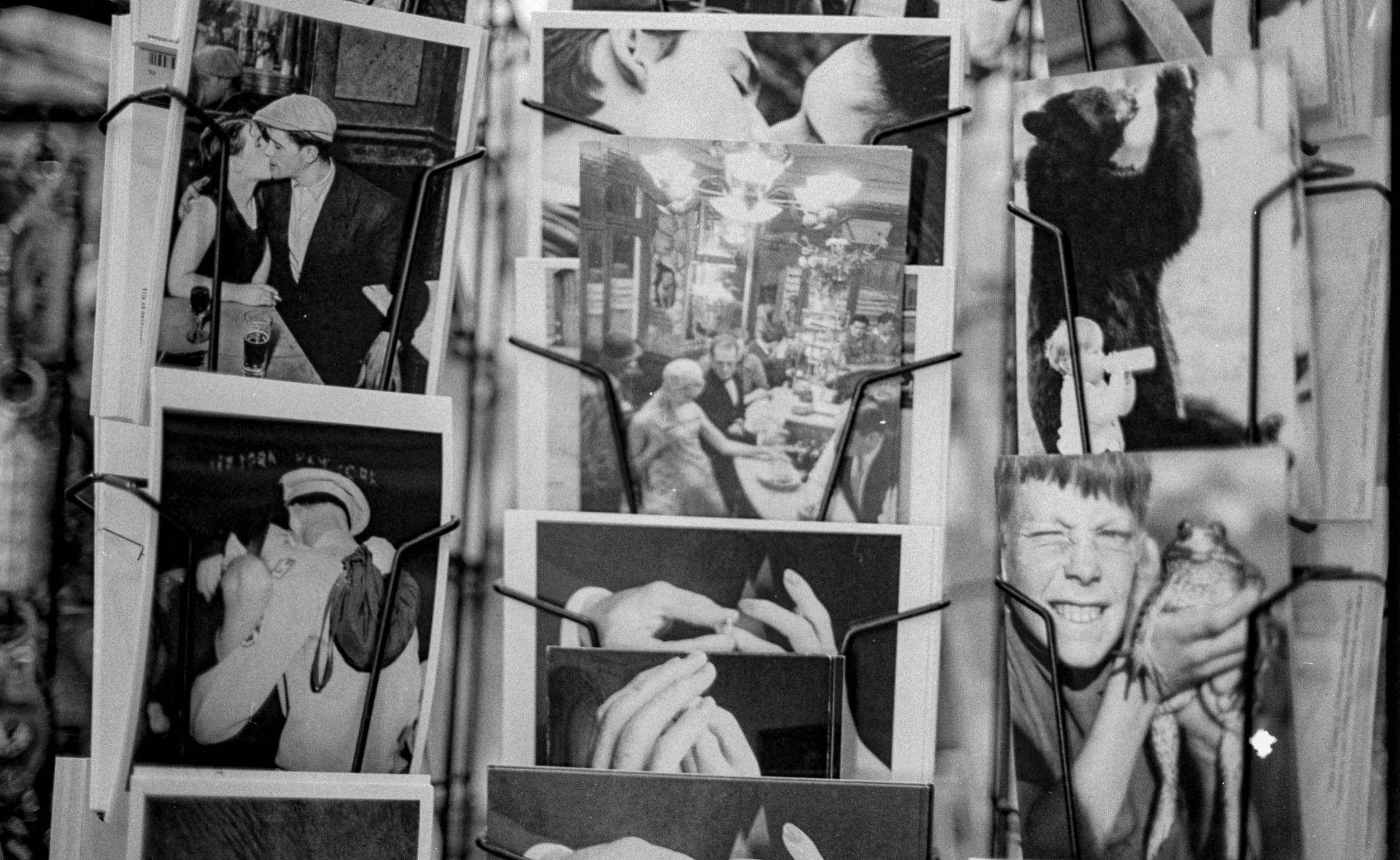
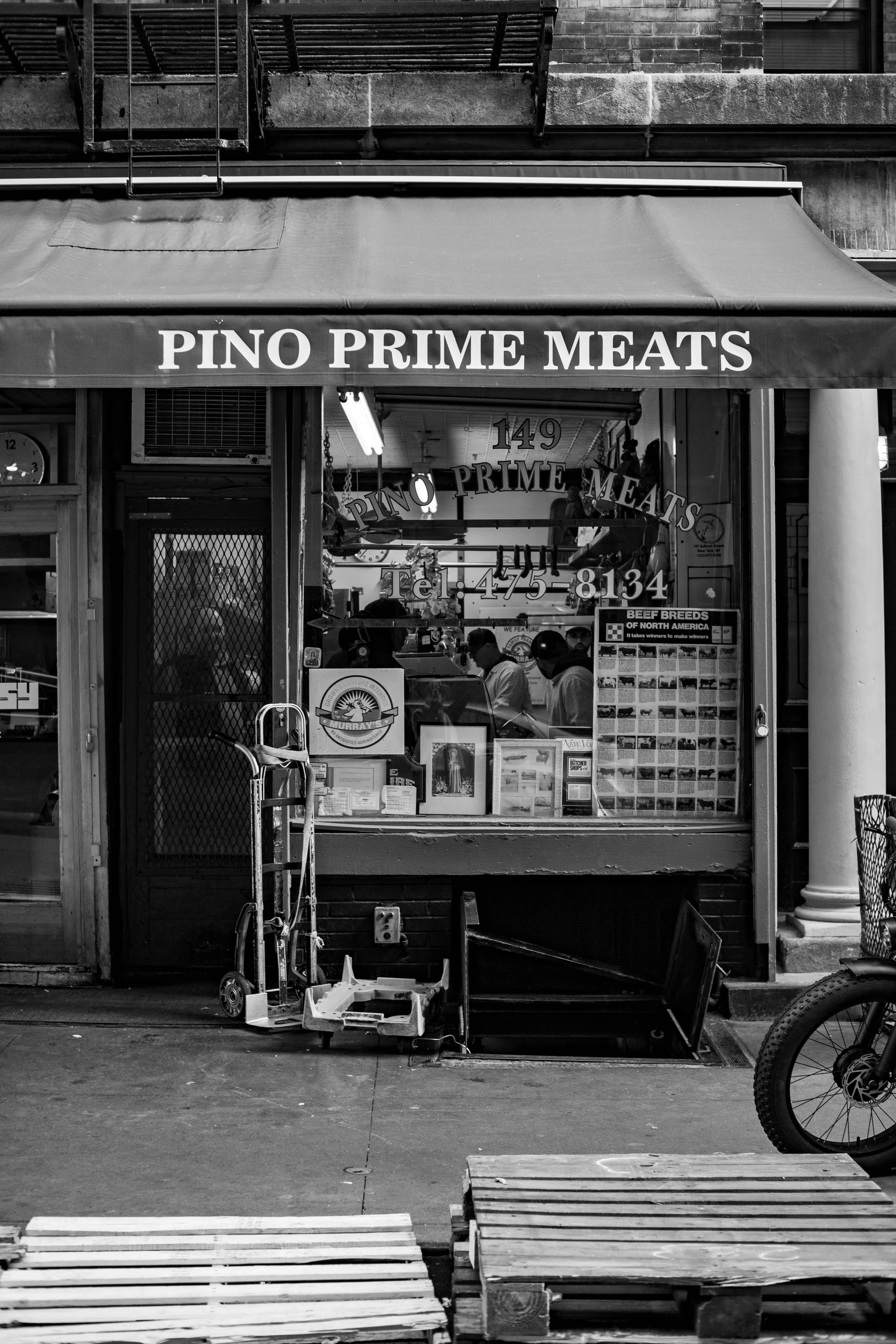
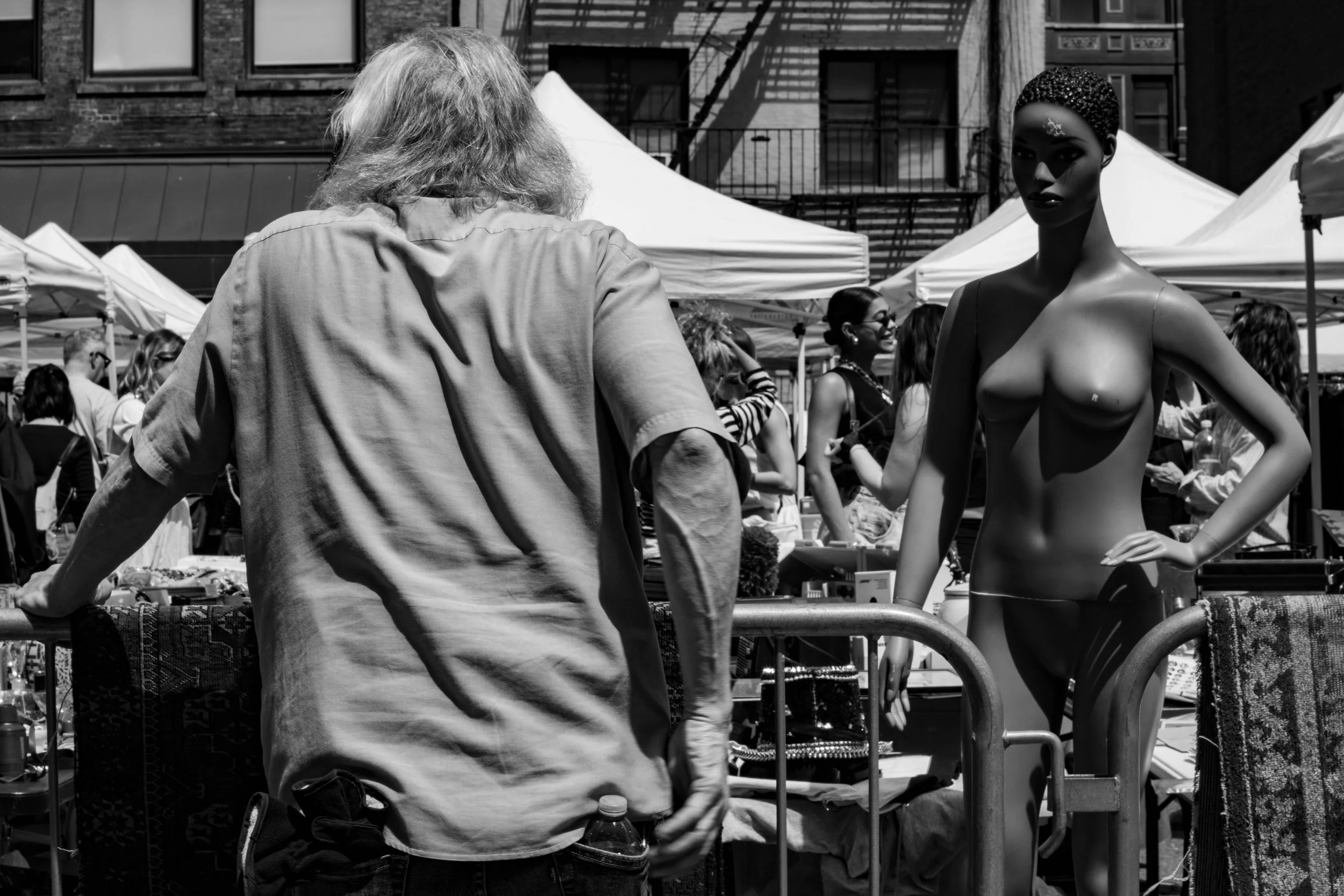
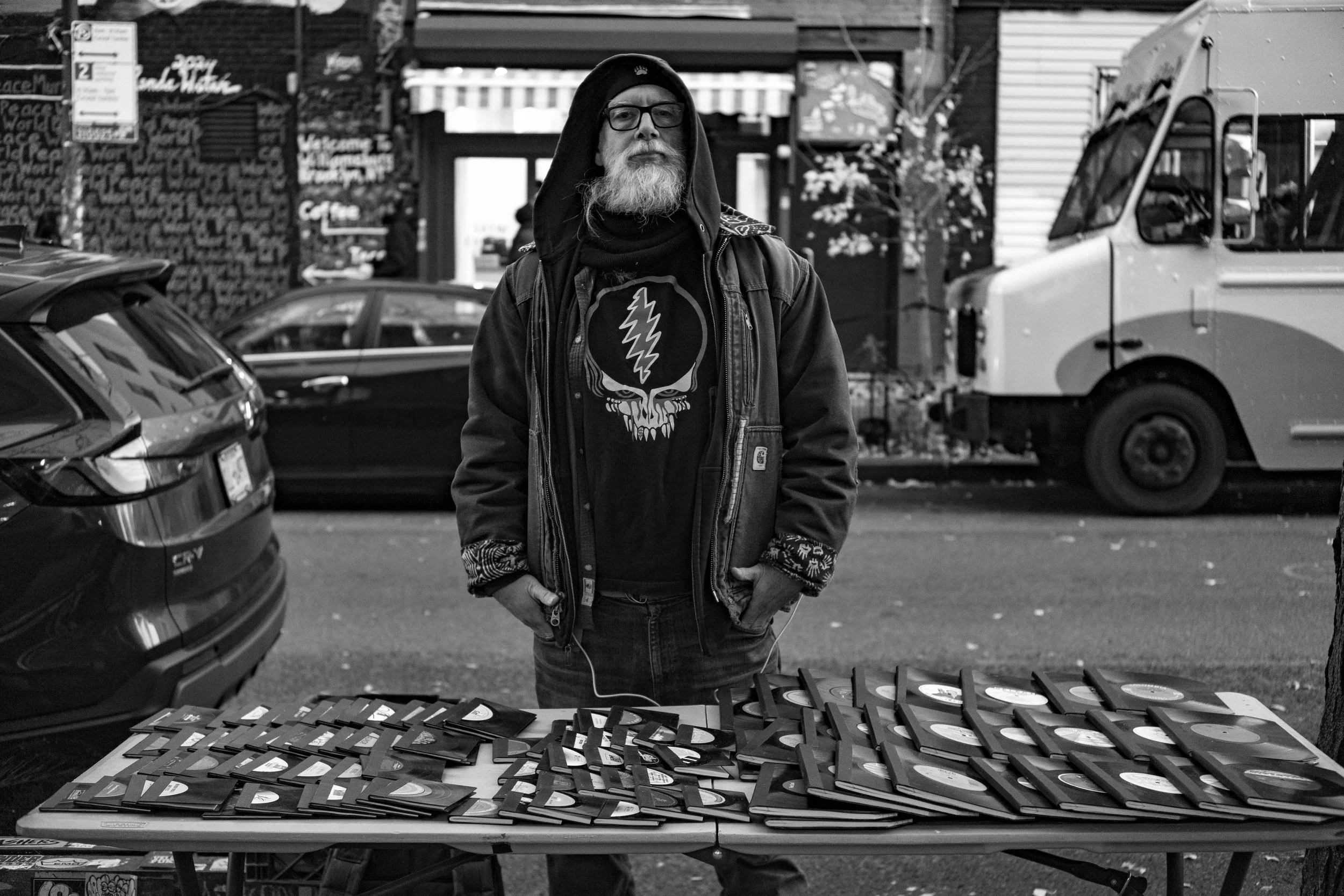
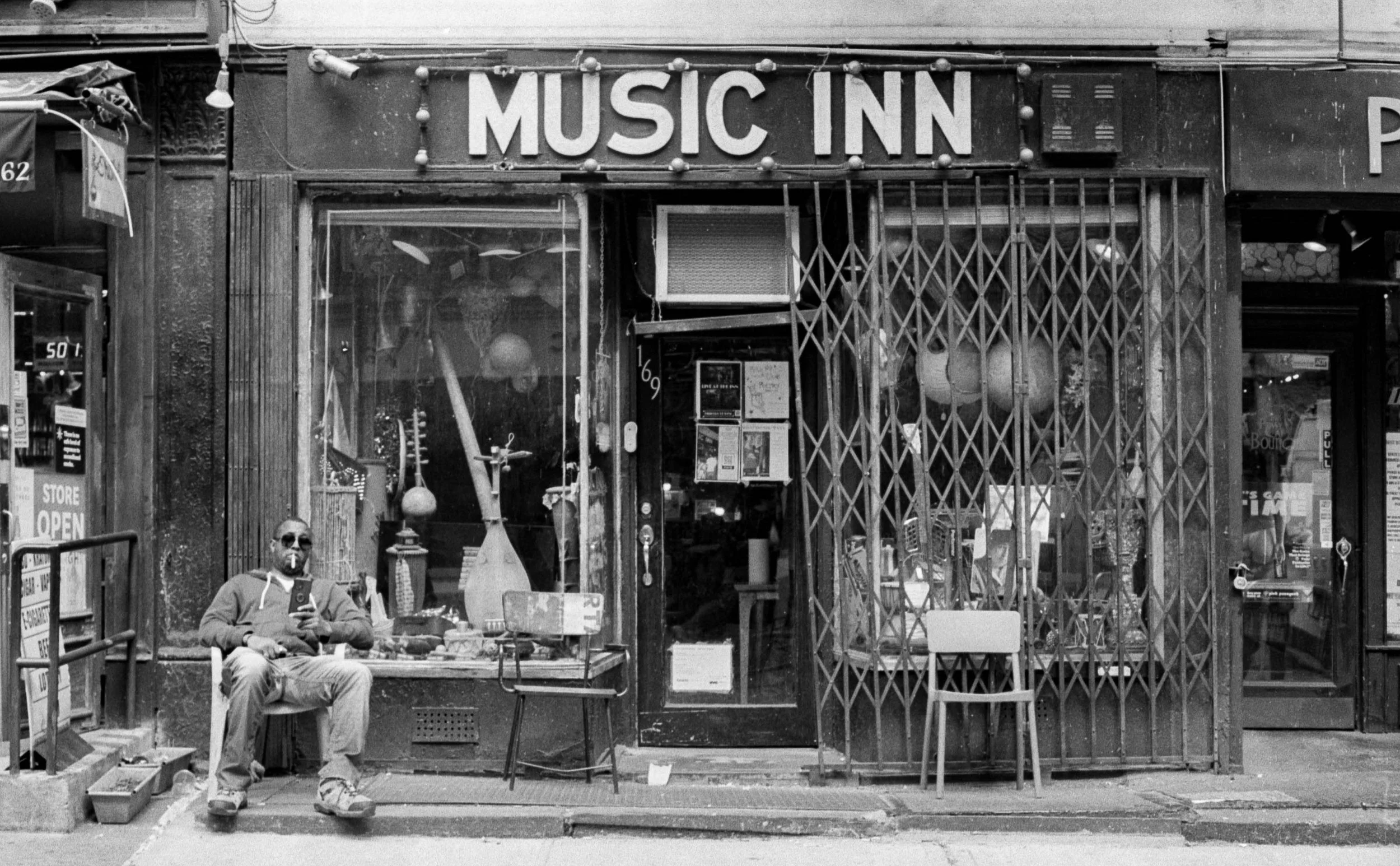
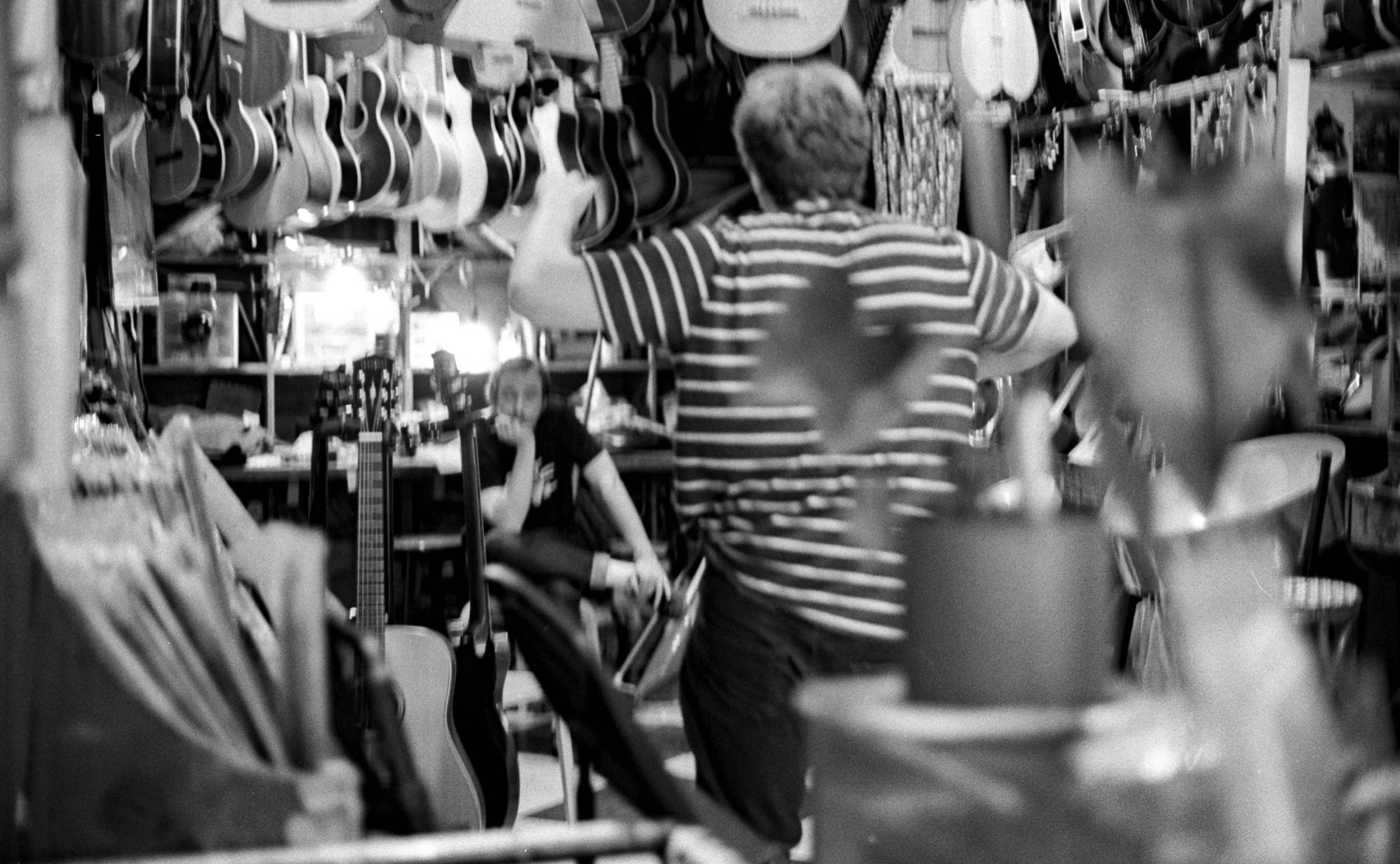
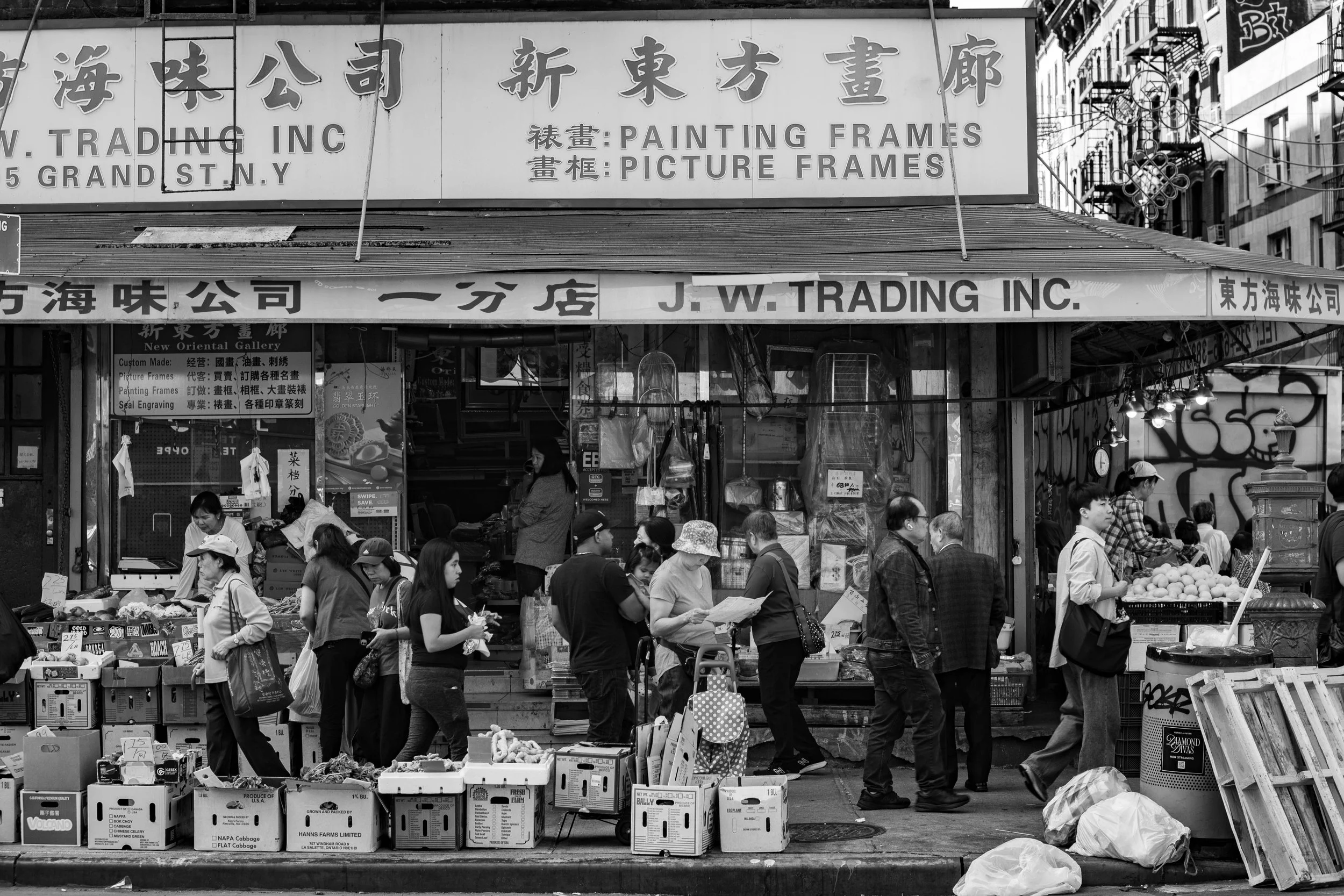
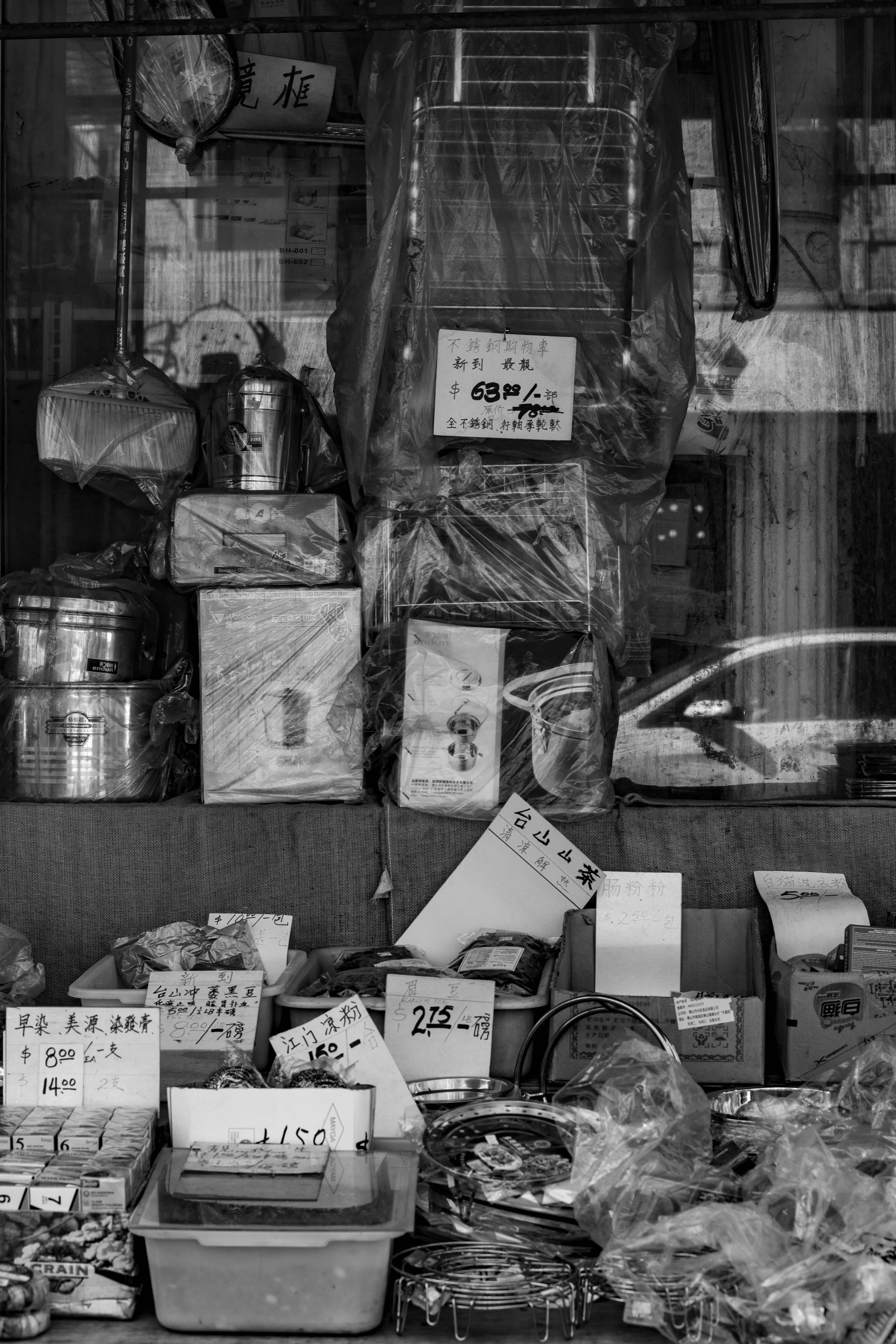
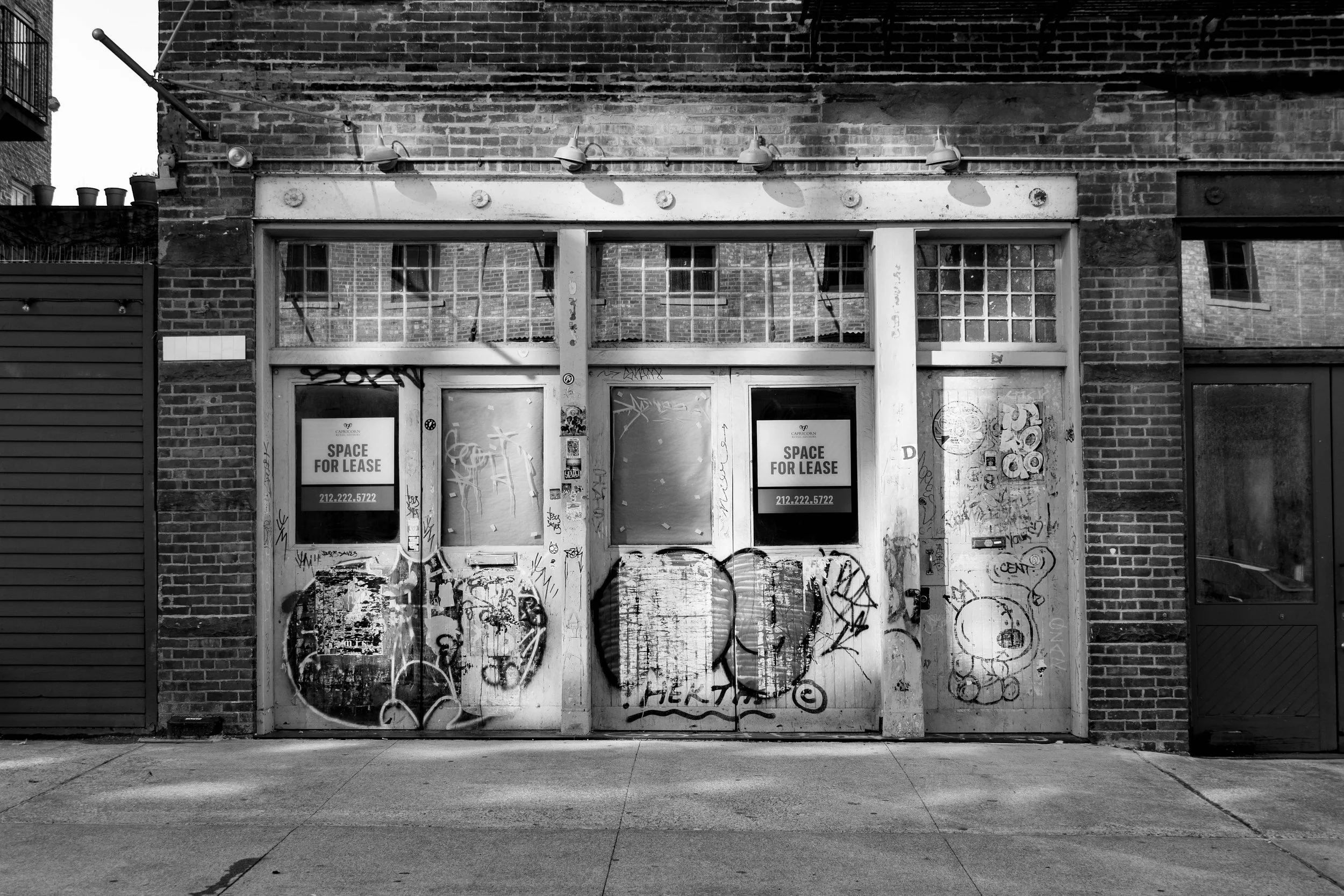
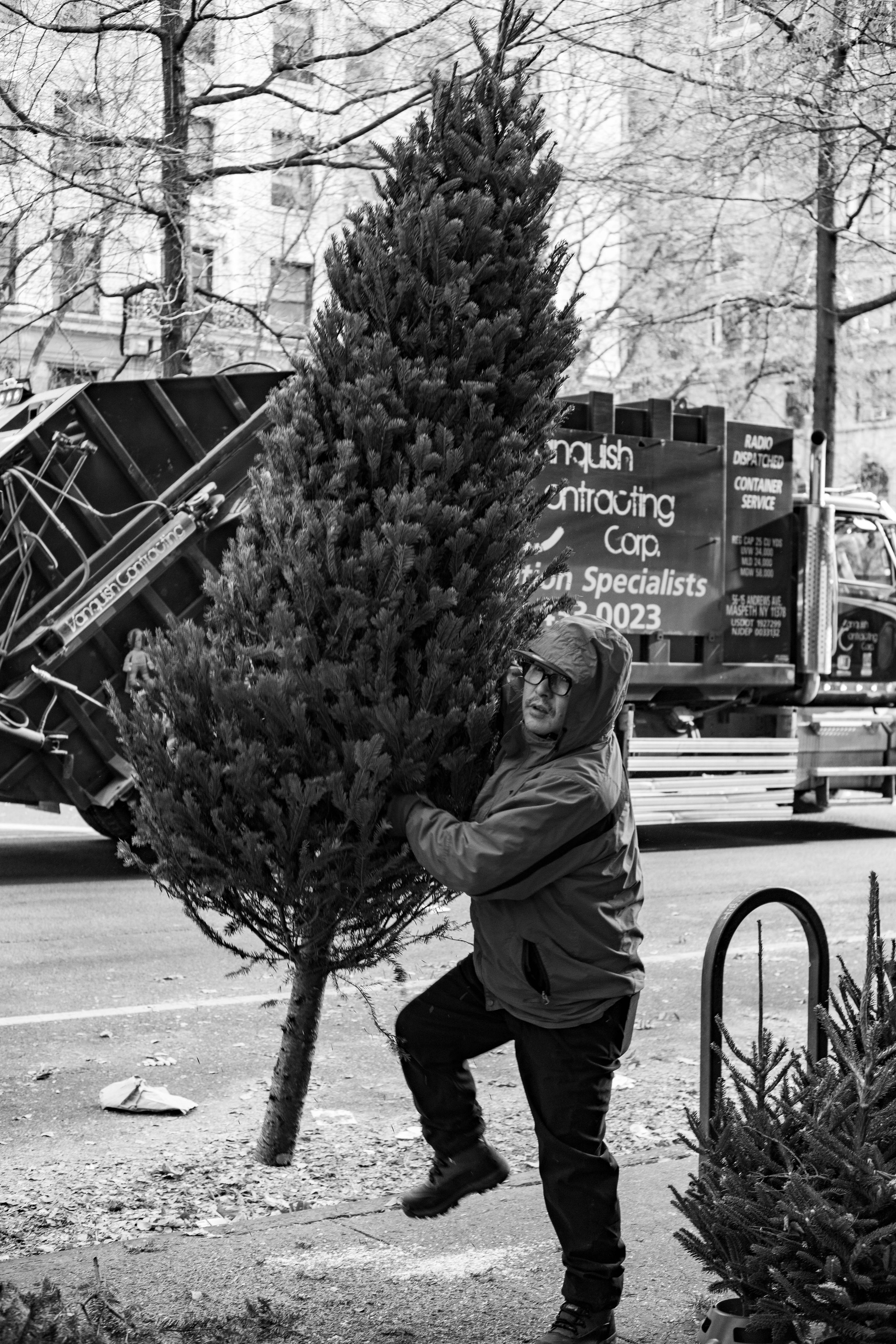
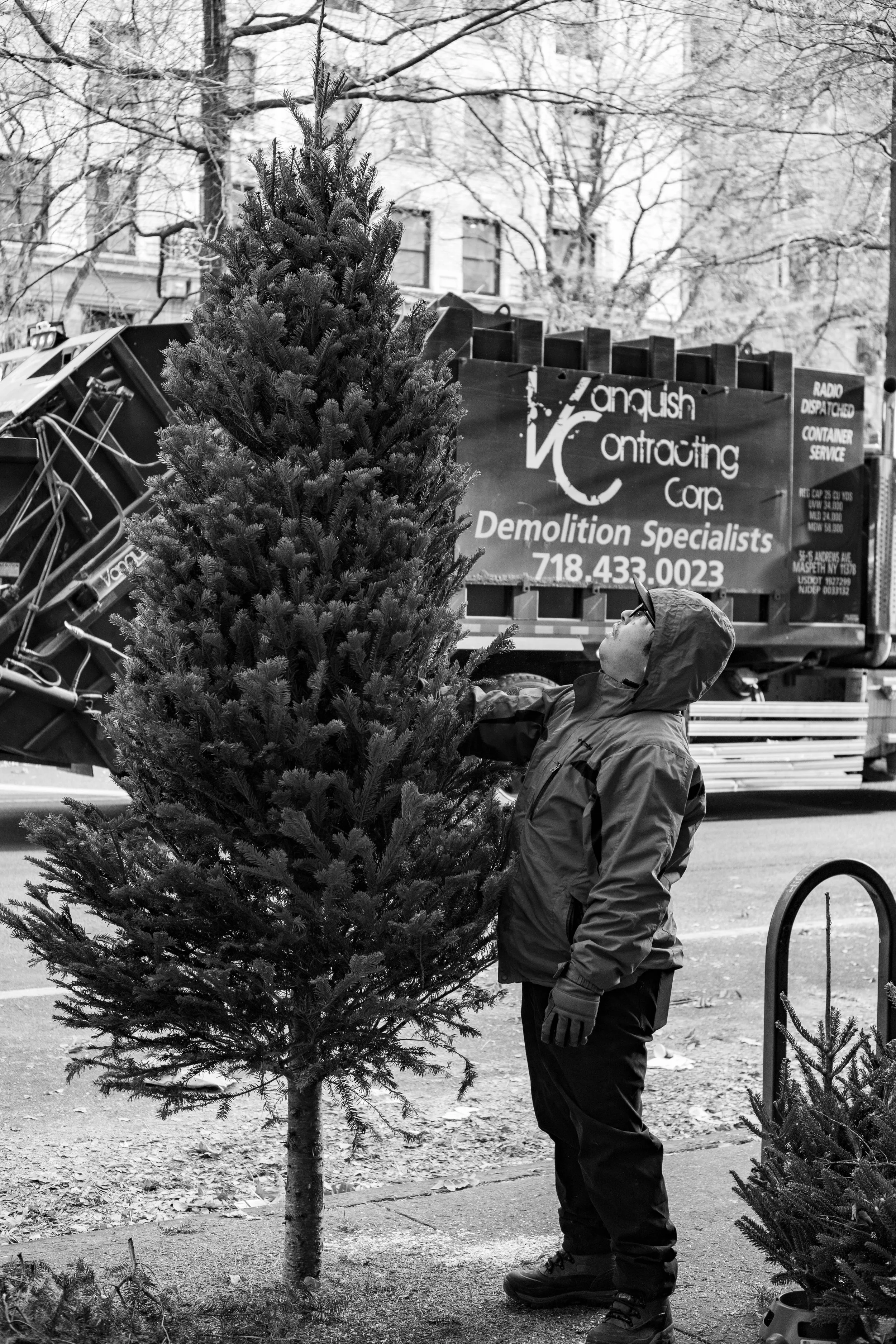
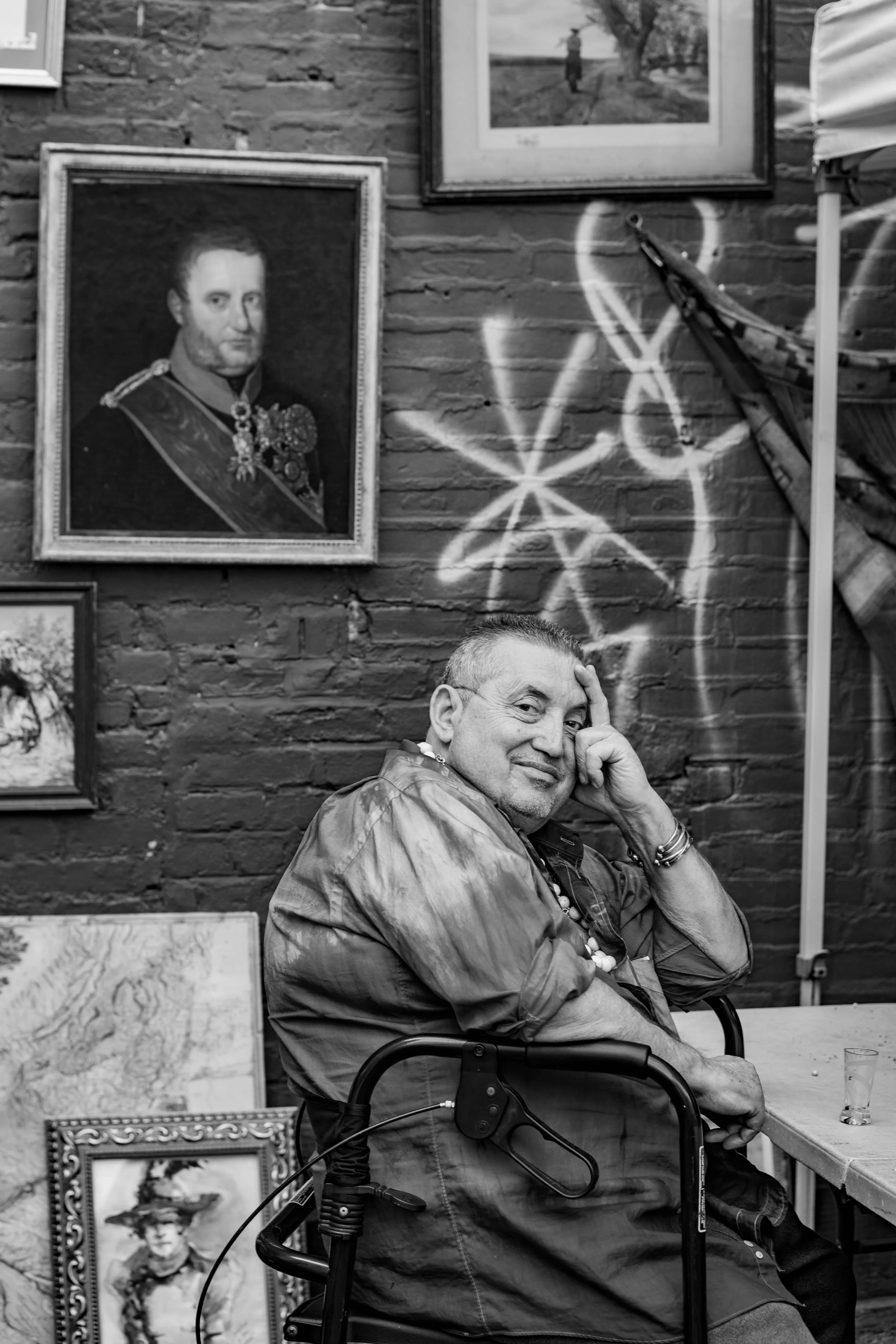
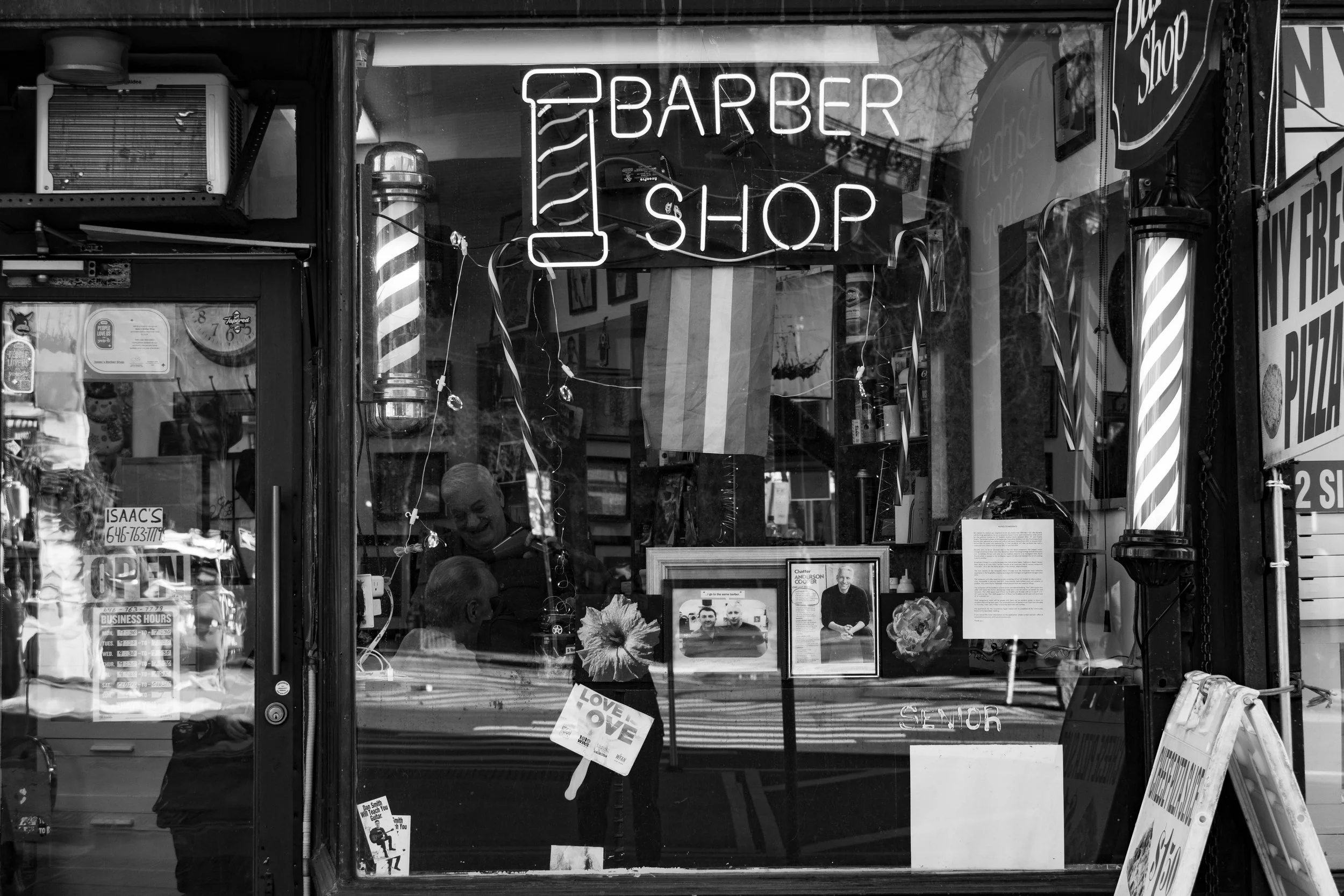
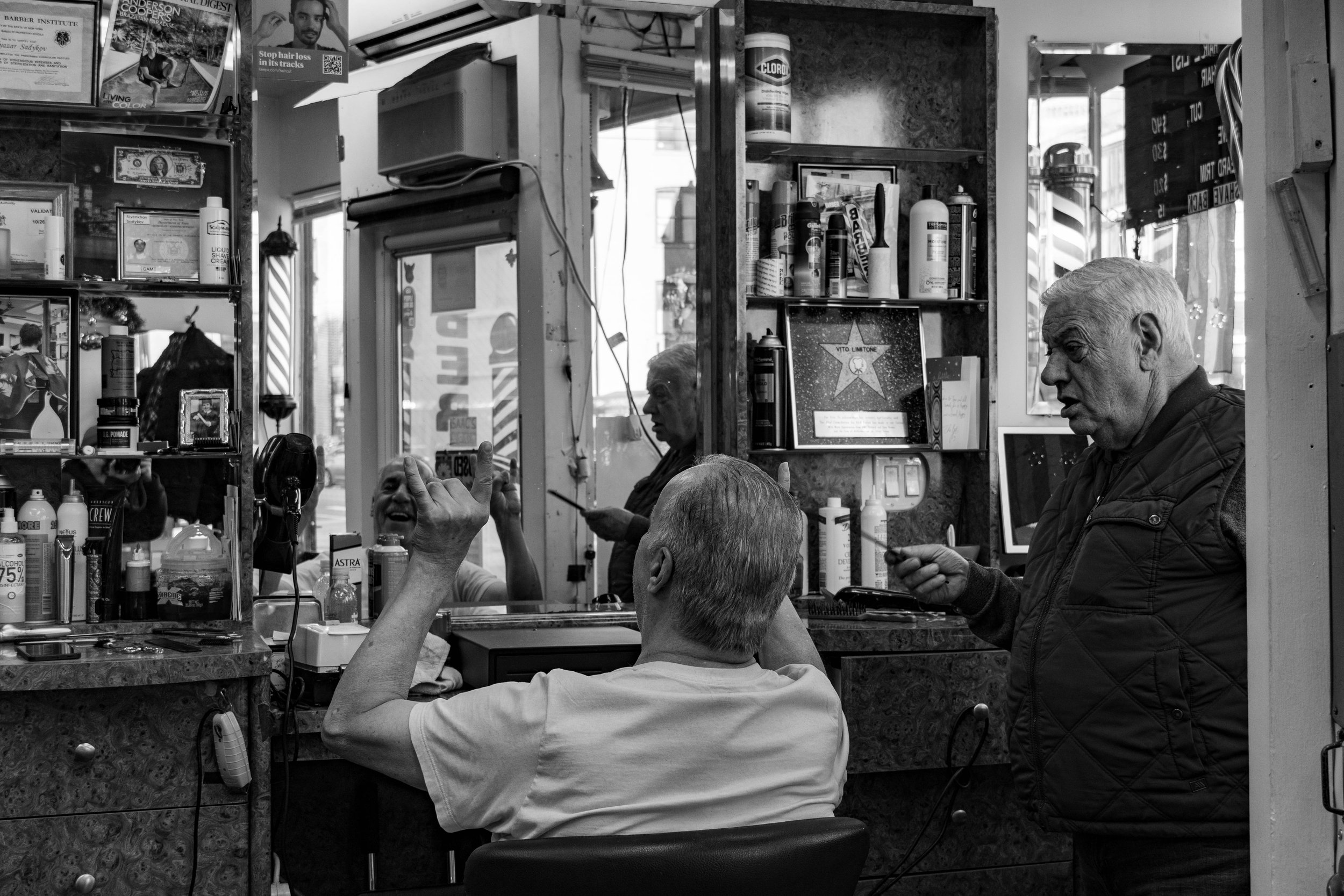
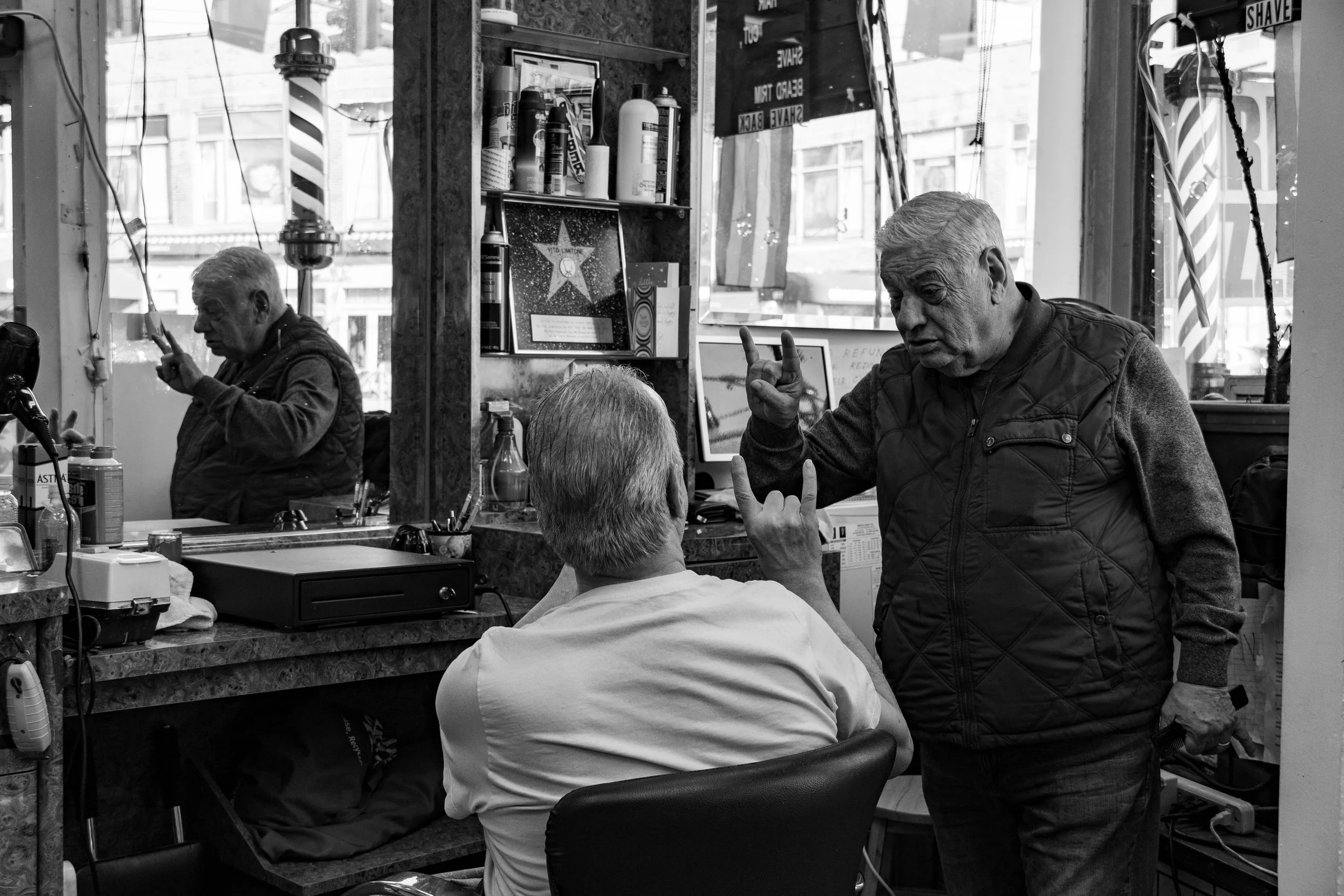
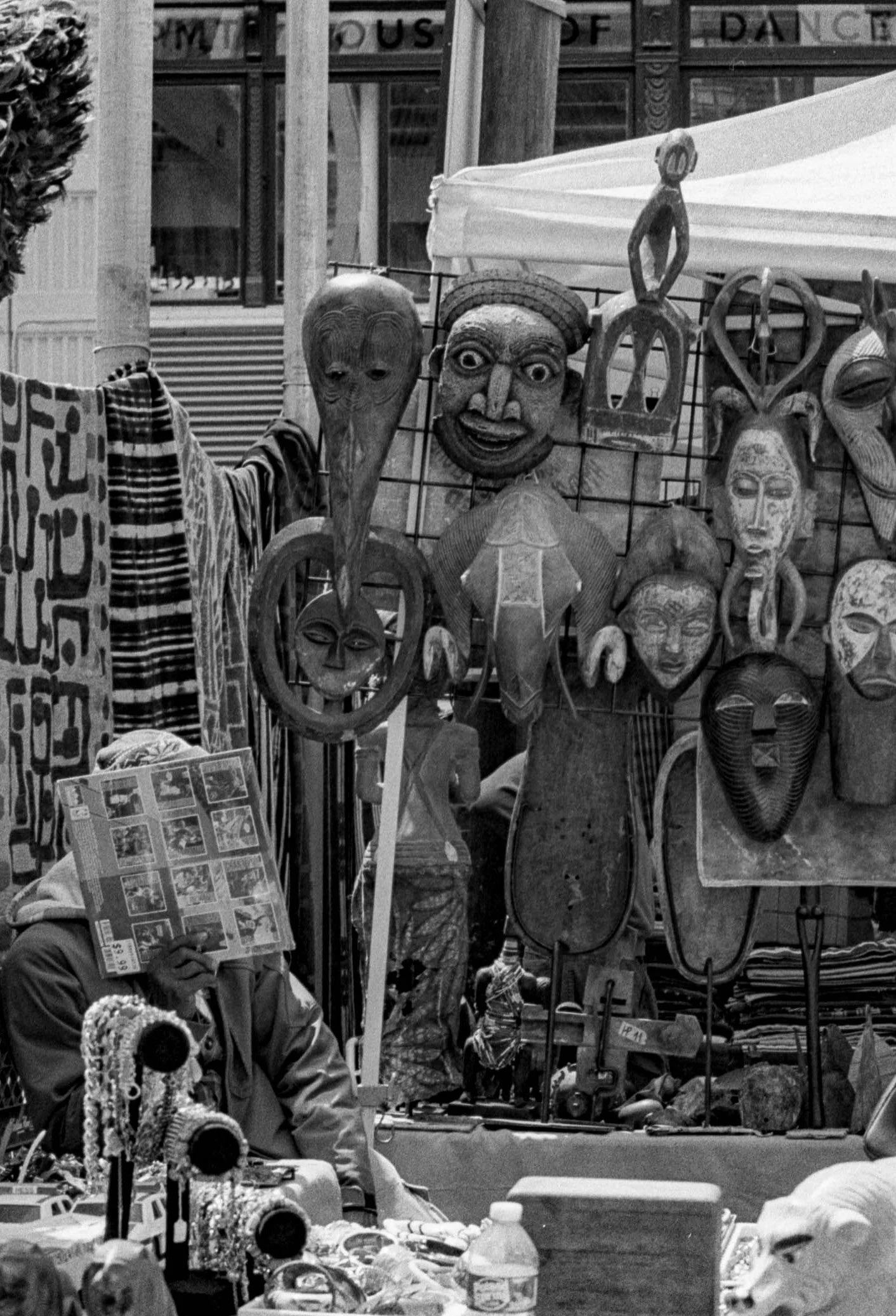
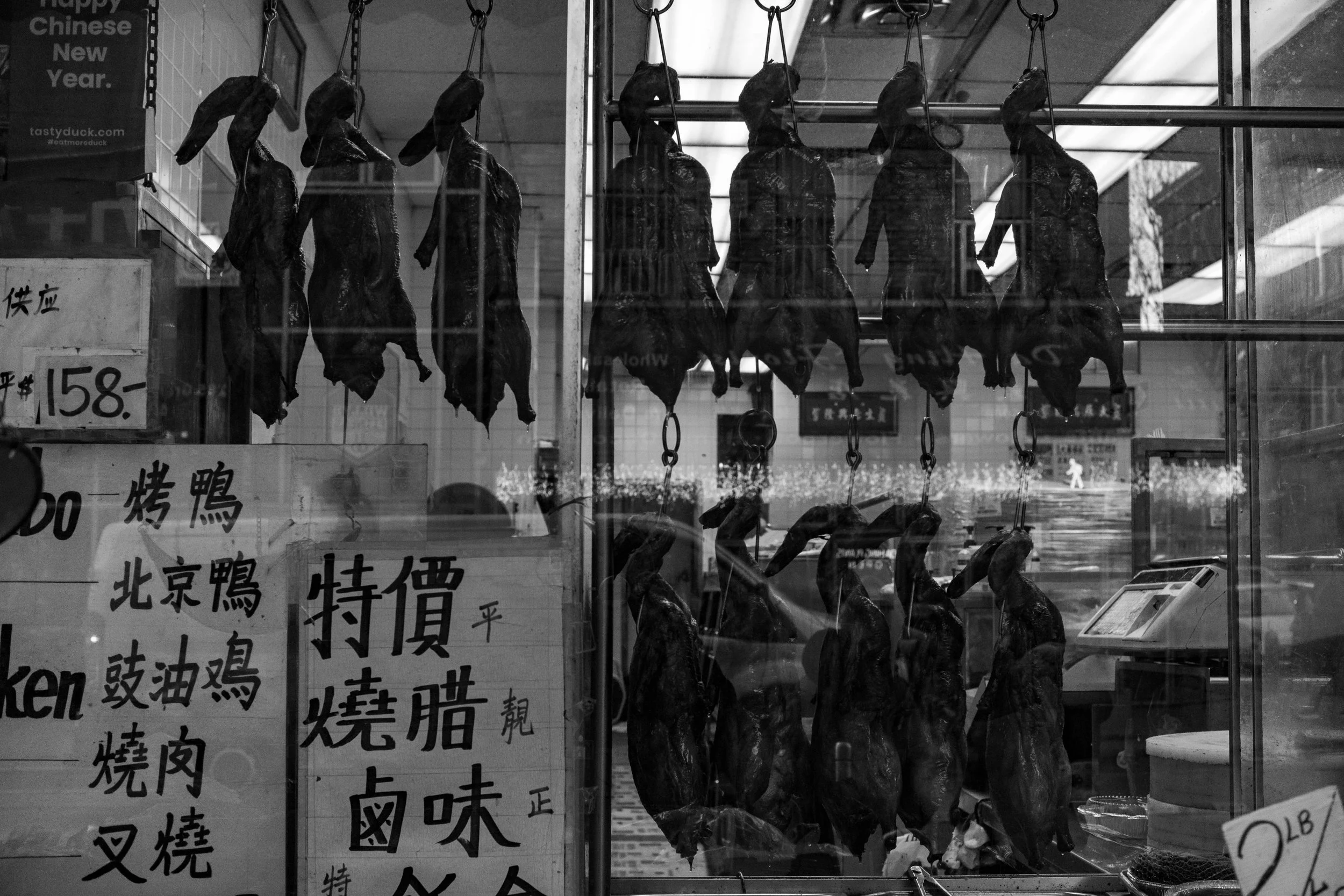
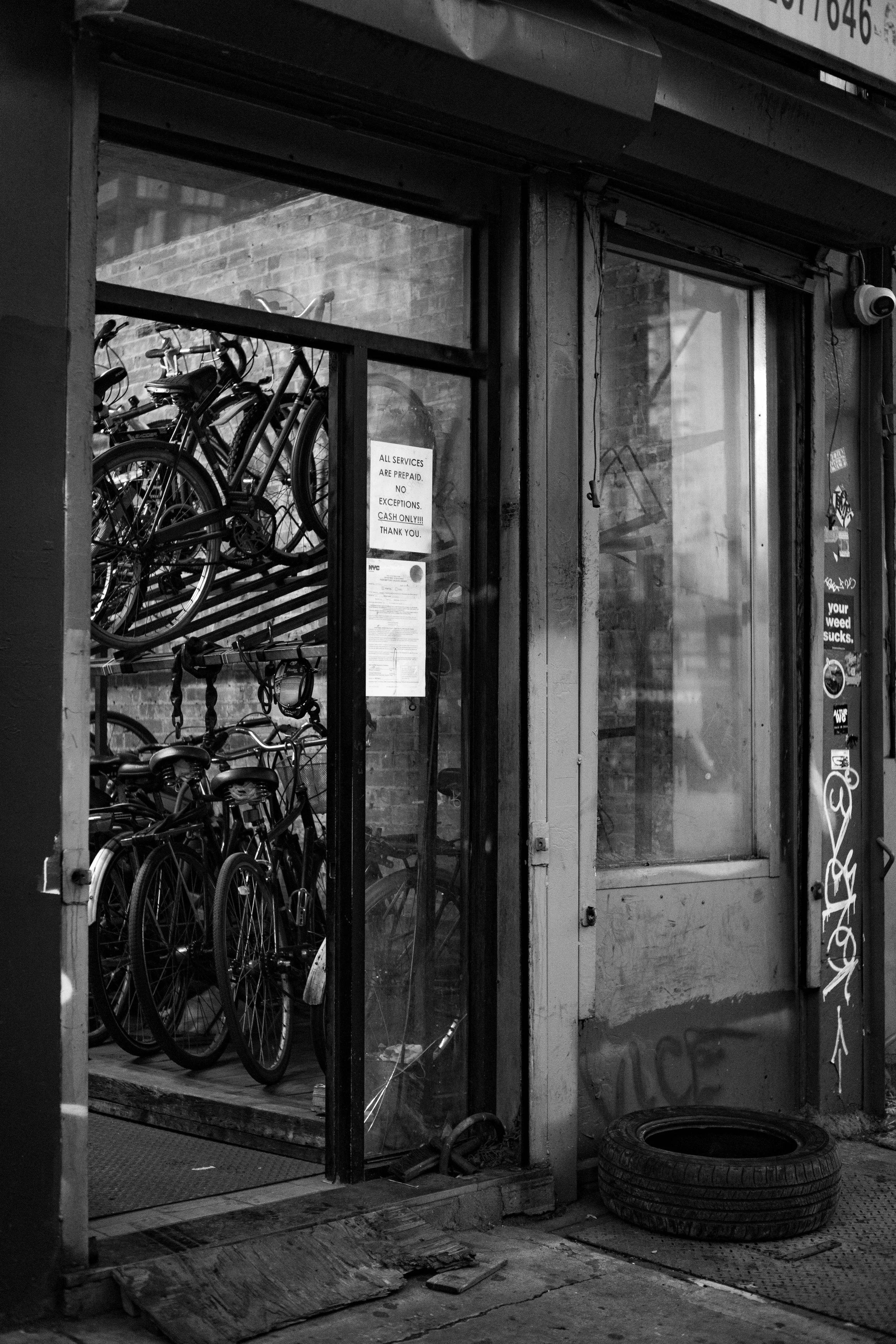
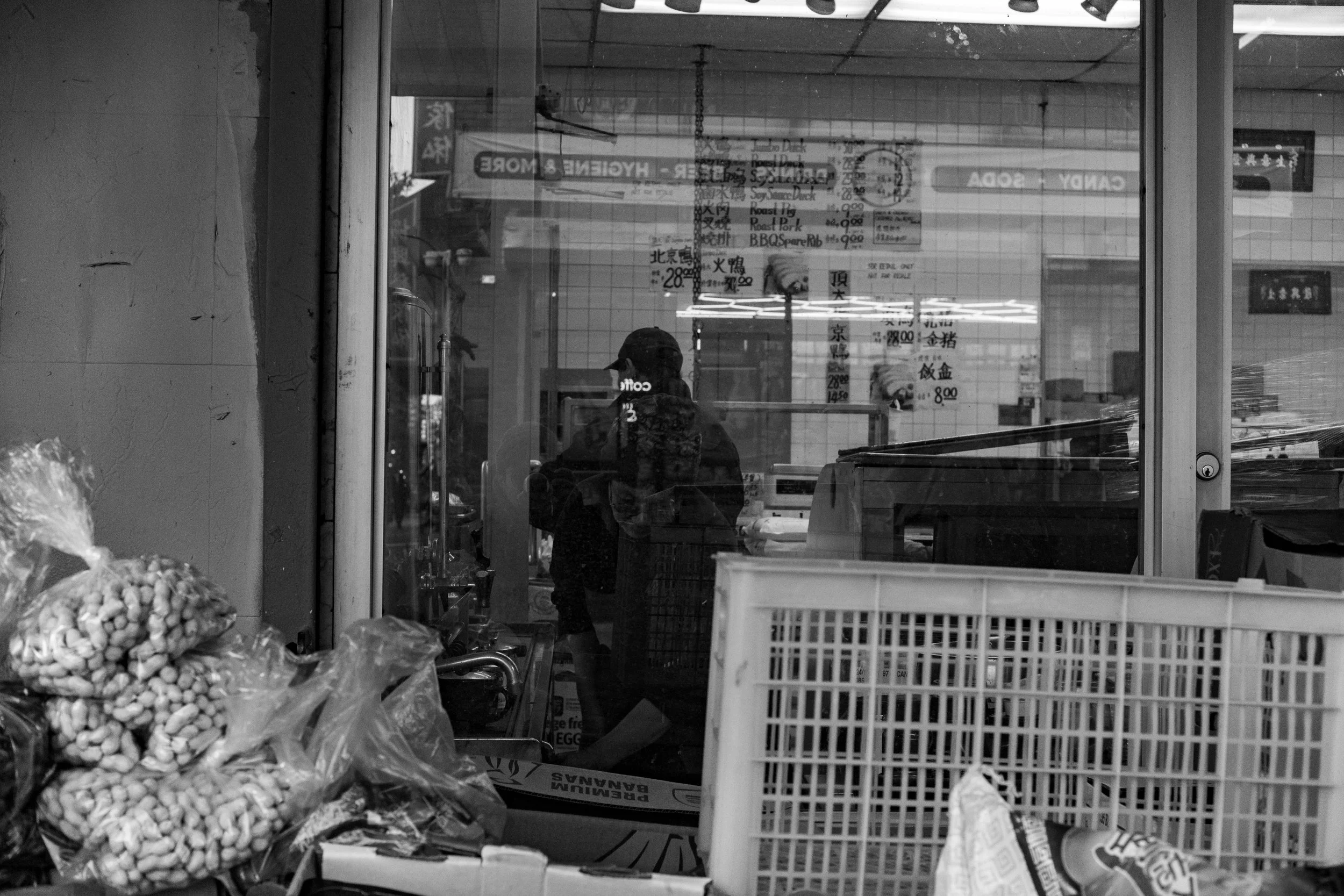
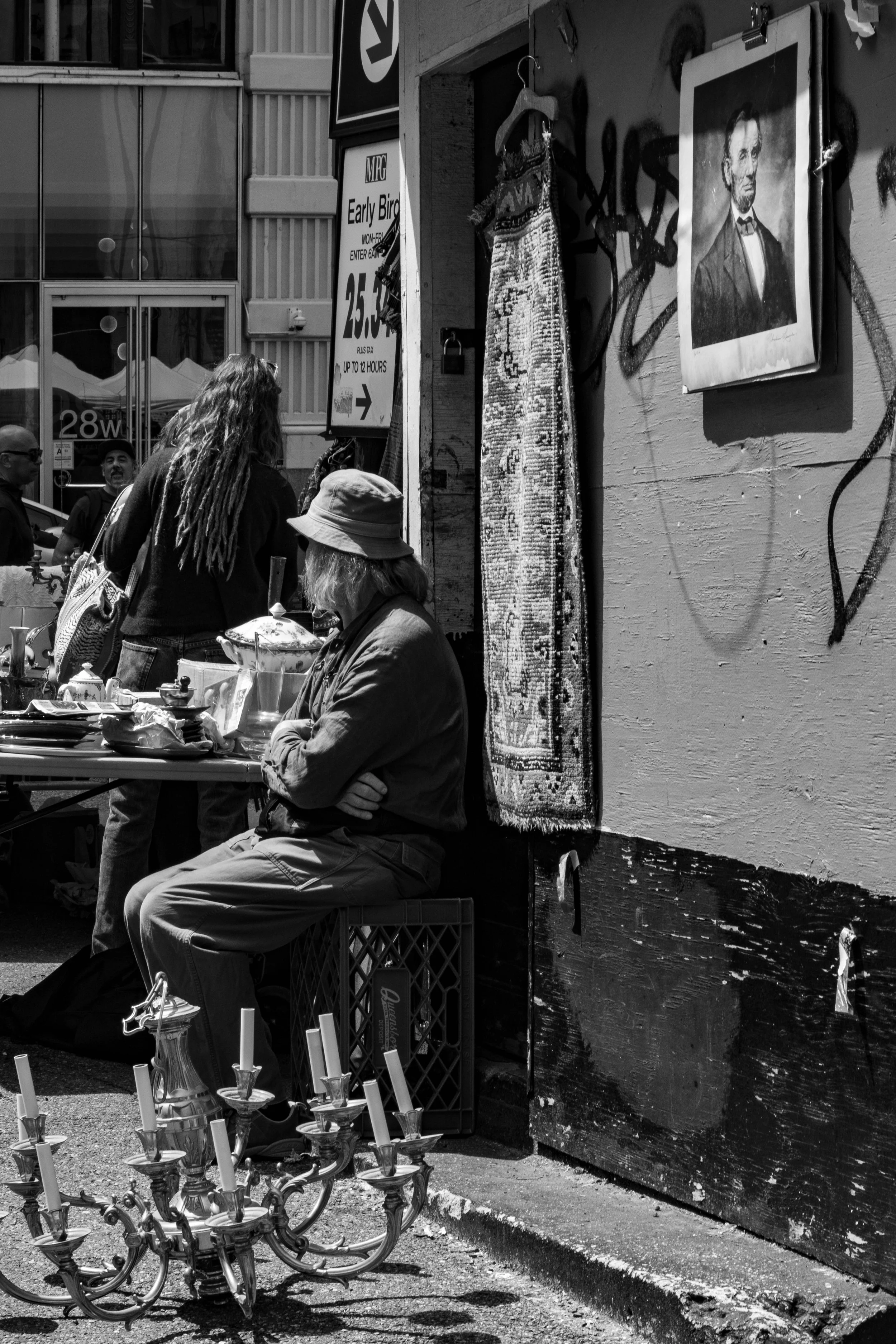
This project started as an attempt to photograph Mom and Pop shops in New York City's different neighborhoods. In practice, only shops or businesses that were family or personally owned received the attention of this project. The main subject was supposed to be shop facades and later expanded to shop details, items, and in some cases, portraits of owners—all looking to explore the relationship between people and their work or, in other words, how they belong to what they do.
This project was defined in two main components: a book in two parts. The first part includes a study on a range of topics related to photography as an art medium and its sociohistorical implications and interactions. This part includes the review of topics such as the history of photography with emphasis on documentary photography, ethics and social concerns around the medium, and finally, interactions of writing and photography and how they function together. Lastly, a review of the work and influence of more than fifty artists has been attached.